Mold Remediation Guide: Steps to Restore Your Property Safely
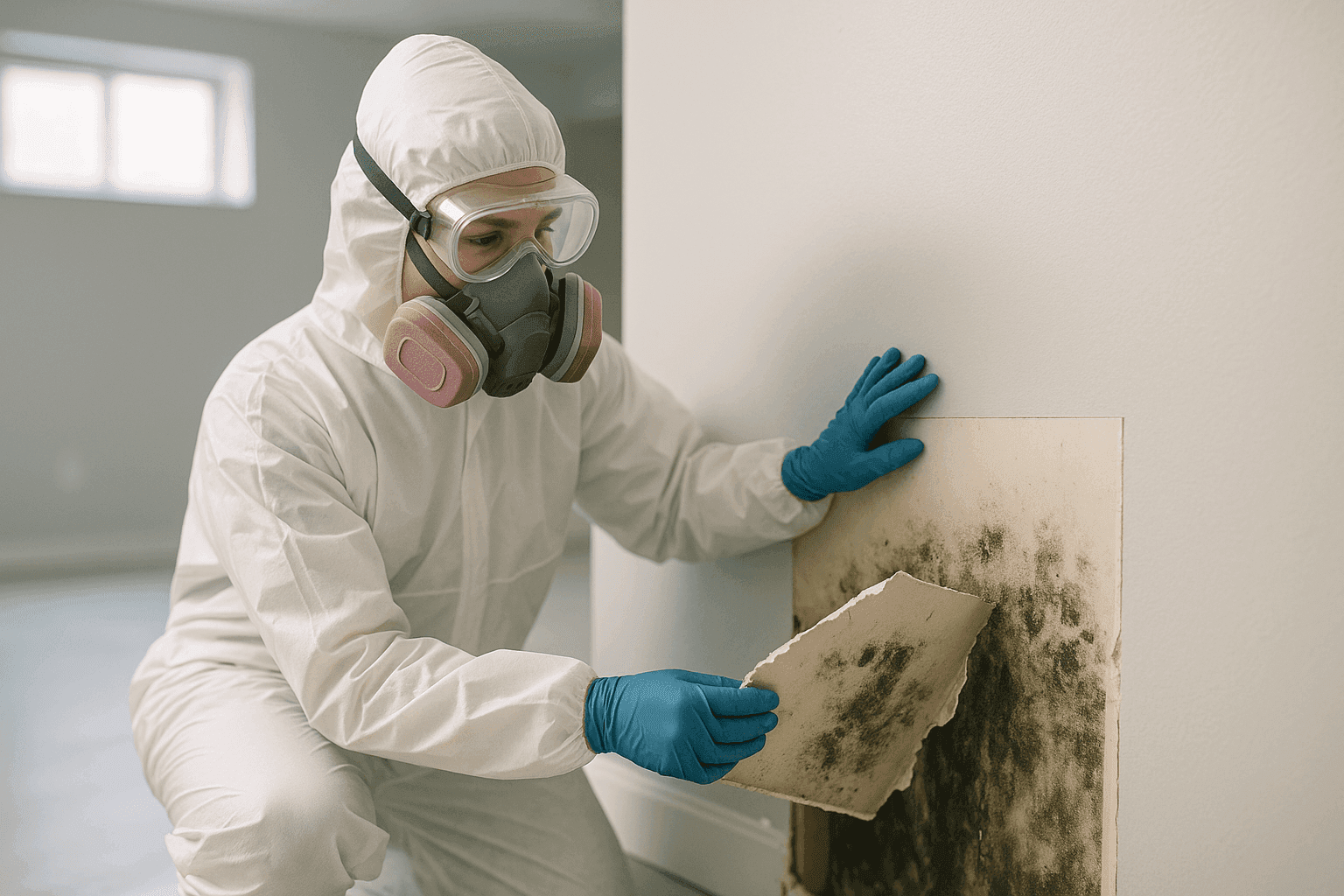
Mold doesn’t just stain walls or give off a musty odor. It creeps into places you don’t see—under floors, behind drywall, into the air you breathe. Whether you own a home, manage an office, or care for tenants, mold is a problem that can’t wait.
At Black Mold Fix, we know mold can be overwhelming. From health worries to property damage, the stakes are high. Here’s what you need to know about restoring your space—step by step, with safety and transparency at every turn.
Identifying Mold and Assessing Damage
Mold is like an unwelcome guest at a party—quiet at first, then suddenly everywhere. Black spots, fuzzy patches, and that earthy smell often signal a problem. But the real danger isn’t always visible.
Professional assessment is key:
- Certified inspectors use moisture meters and thermal cameras to find hidden mold.
- Air quality testing identifies invisible spores, crucial for sensitive environments like schools or healthcare buildings.
- Inspections often follow guidelines from the Environmental Protection Agency (EPA) and Institute of Inspection Cleaning and Restoration Certification (IICRC).
Damage assessment includes:
- Checking drywall, flooring, and insulation for moisture.
- Pinpointing sources: roof leaks, plumbing failures, or poor ventilation.
- Evaluating HVAC systems, crawl spaces, and basements—especially if you’ve searched for “Basement Waterproofing near you.”
Knowing the scope helps you avoid patchwork fixes and get to the root of the problem.
Containment and Air Filtration 🛑
Containment is like putting up a fence around a wildfire—it keeps the problem from spreading. Mold spores are tiny, quick to travel on air currents, shoes, or even a breeze from opening a door.
Certified teams set up:
- Plastic sheeting and negative air machines to seal off affected rooms.
- HEPA air scrubbers that filter out airborne spores.
- Entry/exit protocols so workers don’t carry mold to clean areas.
OSHA and CDC standards require full personal protective equipment (PPE)—respirators, gloves, and suits—during remediation. This isn’t just for show; it’s for everyone’s safety.
Mold Removal and Cleaning
Mold removal isn’t just a matter of scrubbing. Think of it like weeding a garden: pull the roots, not just the leaves, or it comes back.
Professional mold remediation includes:
- Physically removing contaminated drywall, carpet, and insulation.
- Cleaning salvageable surfaces with EPA-registered biocides.
- Using HEPA vacuums and damp wiping to catch stray spores.
- Structural drying—dehumidifiers and fans to bring moisture levels back to normal.
All removed materials are sealed and disposed of according to local regulations. No shortcuts. No hauling moldy debris through your living room.
Post-Remediation Testing
How do you know it’s really gone? That’s where science steps in.
After cleanup, specialists:
- Retest air and surfaces for mold spore counts.
- Compare results to baseline levels set by industry standards (ANSI/IICRC S520).
- Offer written reports you can use for insurance claims or peace of mind.
If the numbers don’t add up, remediation isn’t finished. Simple as that.
Restoring and Preventing Future Growth 🌱
Restoration goes beyond patching drywall. It’s about setting up your property to stay healthy.
Steps include:
- Replacing building materials only when moisture issues are solved.
- Upgrading ventilation and dehumidification—especially in basements and crawl spaces.
- Offering moisture control solutions, such as sump pumps and vapor barriers.
- Providing tips for routine inspections and preventative maintenance.
Think of it as building a shield against the next rainy season or plumbing mishap.
Why DIY Mold Removal is Risky
It’s tempting to grab bleach and a mask and tackle mold yourself. But here’s the catch: DIY is like putting a bandage on a broken bone.
Risks include:
- Incomplete removal—hidden mold can regrow fast.
- Spreading spores by disturbing contaminated materials.
- Missing the source (like a slow leak in a wall).
- Skipping proper PPE, which puts your health at risk.
Professional remediation follows strict standards, such as those from the IICRC and EPA. Certified technicians have insurance, training, and the right tools for the job.
What Certified Mold Remediation Looks Like
Not all mold cleanup is created equal. Look for teams with certifications from the IICRC, National Organization of Remediators and Mold Inspectors (NORMI), or American Council for Accredited Certification (ACAC).
You should expect:
- Transparent communication—step-by-step updates, clear pricing, and no hidden work.
- Insurance coordination—help with claims documentation and adjuster meetings.
- Detailed reports with before-and-after photos and test results.
A pro’s job is to restore trust in your space, not just patch the problem.
Regulatory Standards and Safety Guidelines
Mold remediation isn’t the Wild West. It’s guided by strict rules for the safety of you, your property, and your community.
Key resources:
- EPA Mold Remediation in Schools and Commercial Buildings.
- OSHA’s Mold Safety Standards for workers.
- ANSI/IICRC S520 Standard for Professional Mold Remediation.
Following these isn’t optional—it’s the backbone of real, lasting mold solutions.
Practical Tips for Property Owners
- Fix leaks fast. Water is mold’s best friend.
- Ventilate bathrooms, kitchens, and crawl spaces.
- Check gutters and downspouts—keep water away from foundations.
- Get regular air quality and moisture checks, especially if you’ve had water damage or live in humid climates.
If you ever search “Basement Waterproofing near you,” remember: moisture and mold go hand in hand.
Costs and Time Factors
Every mold job is different—like comparing a puddle to a flood. Costs depend on:
- Size of the affected area.
- Level of contamination.
- Need for material replacement (drywall, flooring, insulation).
- Specialty services like HVAC cleaning, content restoration, or asbestos/lead paint removal.
Remediation can take anywhere from a day for small spots to a week or more for widespread damage. Post-remediation testing and drying times add a few days.
When It’s an Emergency 🚨
Sudden flood? Pipe burst? Mold can start growing in as little as 24–48 hours. Emergency mold services focus on:
- Stopping water intrusion immediately.
- Rapid water extraction and structural drying.
- Setting up containment right away to limit spore spread.
- Prioritizing cleanup in sensitive spaces (childcare, healthcare, food service).
Never ignore unexplained health symptoms after a water event—coughing, headaches, or allergic reactions.
Frequently Asked Questions
How do I know if I have hidden mold?
Look for persistent musty odors, water stains, or unexplained health symptoms. Professional air quality testing is the only way to be sure.
Is mold covered by insurance?
Many policies cover sudden water damage but exclude long-term leaks or neglect. Black Mold Fix can help document your claim and talk with your adjuster.
Can my business stay open during remediation?
It depends on the area and severity. Containment and after-hours work may minimize disruption—but safety comes first.
What certifications should I look for?
IICRC, NORMI, and ACAC are the most recognized. Ask for credentials and proof of insurance before work begins.
Local and Seasonal Considerations
Certain times of year—spring floods, summer storms, winter freezes—bring extra risk. Older buildings, poorly ventilated basements, and properties near water are more prone to problems.
If you live or work in a region with high humidity, regular inspections and moisture control solutions are a smart investment.
The Final Step: Peace of Mind
Mold doesn’t have to be a life sentence for your property. With the right approach, you can restore safety, comfort, and value. Black Mold Fix is here to help, every step of the way.
Call Black Mold Fix now — or reach us anytime at 888-892-6857 .