How to Prevent Mold After Water Damage: Step-by-Step Guide
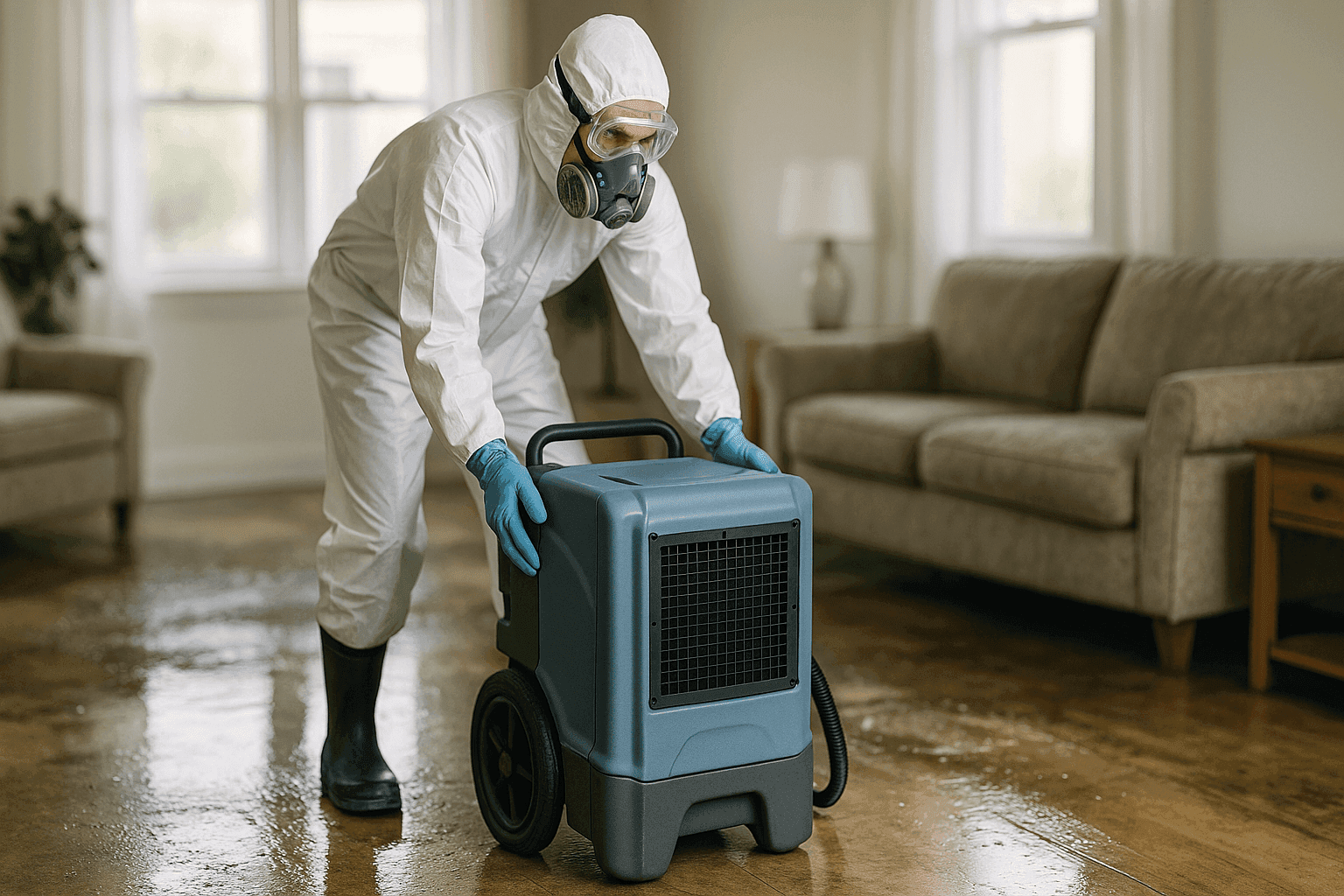
Water damage turns life upside down in a blink. One minute, you’re hearing the hum of your HVAC; the next, you’re sloshing through soggy carpet. Whether it’s a burst pipe or a basement flood, mold is always lurking in the shadows—ready to pounce if you don’t act fast.
At Black Mold Fix, we’ve seen how quickly a little water can snowball into big problems. Mold doesn’t wait. And neither should you.
Immediate Steps Post-Flood 🚨
When water invades your home or business, every minute counts. Mold can start growing within 24–48 hours, according to the U.S. Environmental Protection Agency (EPA). Here’s what to do first:
- Turn off electricity in affected areas (if safe to do so).
- Stop the source of water—shut off pipes, cover roof leaks, or plug entry points.
- Move valuables and porous materials (books, rugs, clothes) to a dry spot.
- Open windows and doors to boost air flow.
- Photograph the damage for insurance records.
Don’t wade through deep water if you can’t see the floor, and never touch electrical outlets when wet. Think of safety first—the rest can be sorted out once hazards are under control.
Drying and Dehumidification
Now, imagine your property as a giant sponge. Water soaks deep, and it won’t dry on its own. Here’s how to squeeze it out:
1. Remove Standing Water
Use a wet/dry vacuum, mop, or towels. Large floods may demand a professional-grade pump.
2. Circulate Air
Set up fans facing windows or doors to push moist air outside. The more air movement, the better.
3. Dehumidify
Place dehumidifiers in affected rooms. Set humidity below 50%—check with a hygrometer if possible. Mold loves humidity, so the drier, the safer.
4. Remove Soaked Items
Pull out carpets, padding, and insulation if they’re saturated. These are mold magnets.
5. Lift and Prop
Prop up furniture cushions and remove drawers to let air circulate underneath.
Industry Protocols
The Institute of Inspection, Cleaning and Restoration Certification (IICRC) recommends all porous materials that stay wet more than 48 hours be discarded.
Monitoring for Mold Growth
You’ve dried things out, but mold can still sneak in unnoticed. Watch for these red flags:
- Musty smells (like old gym socks)
- Discoloration on walls, baseboards, or ceilings—often green, black, or white spots
- Peeling paint or bubbling wallpaper
- Unexplained allergy symptoms—coughing, sneezing, itchy eyes
Check hidden corners—behind furniture, inside closets, under flooring. Use a flashlight to spot moisture or fuzz. Mold is a master of hide-and-seek.
When to Call a Professional 🛠️
Some situations need more than elbow grease. Call in the pros if:
- Water has soaked walls, insulation, or structural supports.
- The affected area is larger than a 10x10 foot room.
- You spot visible mold.
- You have health concerns (asthma, allergies, immune issues).
- You’re dealing with sewage or contaminated floodwater.
Certified mold and water damage professionals, like those at Black Mold Fix, follow industry standards (like ANSI/IICRC S520 and S500). They use moisture meters, infrared cameras, and commercial drying systems—think of it as surgery for your building.
Quick Safety Checklist
Before you roll up your sleeves, check off these safety essentials:
- Wear gloves, boots, and an N95 mask.
- Never mix bleach with ammonia or other cleaners.
- Ventilate the area—fans, windows, doors.
- Keep children and pets away.
- If in doubt, step out and call for help.
DIY vs. Call a Pro
It’s tempting to tackle mold and water on your own—but not every situation is a DIY job.
DIY is OK for:
- Small spills (bathroom overflows, minor leaks)
- Surfaces you can fully dry within 24 hours
- No visible mold and no strong odors
Call a Pro When:
- Water sits for more than a day
- You see or smell mold
- The area is larger than a closet
- Structural materials are wet
Remember: Being cautious now can save you a world of headaches—and money—later.
What Pros Do On Arrival
When professionals arrive, here’s what you can expect:
- Inspection: They’ll assess all affected areas—visible and hidden—using moisture meters.
- Containment: Barriers and negative air machines keep mold spores from spreading.
- Extraction: Heavy-duty pumps and vacuums remove water fast.
- Drying: Commercial fans and dehumidifiers work overtime.
- Removal: Damaged materials (drywall, carpets) are carefully taken out.
- Cleaning: Surfaces are cleaned with EPA-registered antimicrobials.
- Post-Remediation Testing: Air and surface samples confirm it’s safe to move back in.
Pros are trained to spot what most people miss. They’re guided by industry protocols (like S520 for mold remediation), so nothing is left to chance.
Prevention & Maintenance
Once you’re dry, it’s time to future-proof your space. Prevention is like keeping your umbrella handy—so you’re not caught off guard by the next storm.
- Basement waterproofing near you—seal cracks and install sump pumps.
- Crawl space encapsulation—keep under-home humidity at bay.
- Regular HVAC cleaning—mold loves dusty, damp ducts.
- Install dehumidifiers in high-risk areas (basements, crawl spaces).
- Schedule annual inspections—especially after a wet season.
Keep gutters clean and direct downspouts away from the foundation. It’s the little things that make the biggest difference.
Costs & Time Factors
Water and mold problems don’t just cost peace of mind—they can hit your wallet, too.
- Timeframes: Drying usually takes 3–7 days for moderate floods. Mold remediation can take longer, depending on the size.
- Costs: Vary by location, damage extent, and required repairs. Insurance may cover sudden water damage, but not always mold—check your policy.
- Materials like drywall and carpet are often less expensive to replace than restore.
Acting fast keeps costs lower. Waiting gives mold time to spread—and bills time to climb.
When It’s an Emergency 🚨
Some signs scream “don’t wait”:
- Water is rising fast or won’t stop.
- There’s sewage or chemical contamination.
- Multiple rooms or floors are soaked.
- You or anyone in the building feels sick suddenly.
Call emergency mold services immediately. Fast action can be the difference between a quick fix and a months-long nightmare.
FAQ
How soon after water damage does mold grow?
Mold can start within 24–48 hours. Fast drying is your best defense.
I can’t see any mold, but my home smells musty. What should I do?
Musty odors often mean hidden mold. Have a professional do a thorough inspection and air quality testing.
Can I use bleach to clean mold?
Bleach can kill surface mold, but it won’t reach porous materials where roots hide. The CDC recommends using detergent and water, and removing damaged materials.
Is mold dangerous?
Some molds produce allergens and irritants; others may be toxic. Long-term exposure can affect health, especially for kids, seniors, and those with breathing problems.
Local/Seasonal Considerations
Storm season, spring thaws, and humid summers all raise mold risk. In regions with high rainfall or older basements, prevention steps matter year-round. Schedule inspections after heavy storms or sudden temperature swings—these are prime times for leaks and hidden moisture.
For businesses, regular maintenance and staff training are key. Catching water problems early keeps downtime (and costs) to a minimum.
Got water damage? Don’t wait for mold to move in.
Call Black Mold Fix now — or reach us anytime at 888-892-6857 .