Basement Mold: Causes, Health Risks, and Lasting Solutions
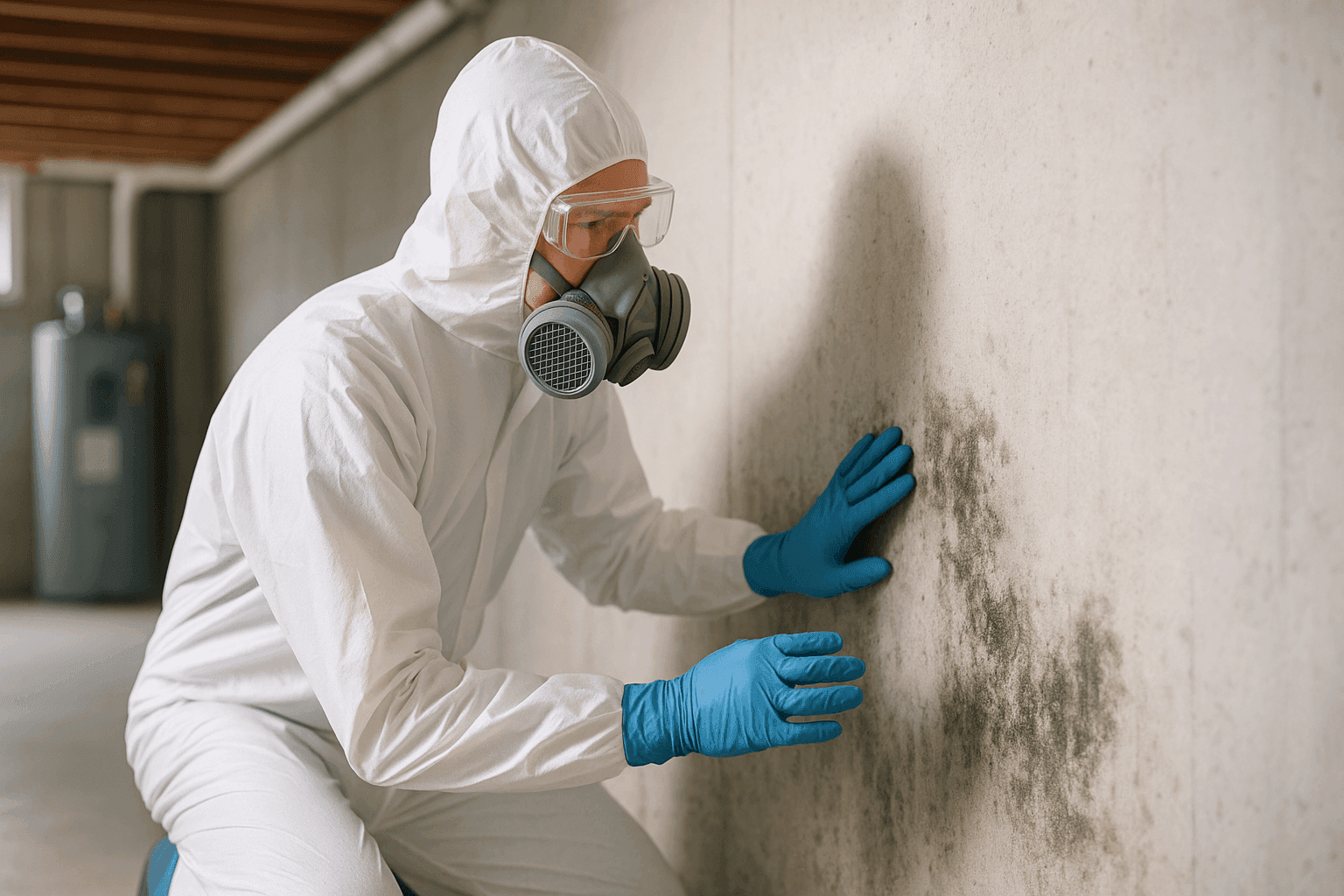
Basements are meant to be safe havens—storage rooms, game spaces, even quiet offices. But nothing chills that comfort faster than the musty, earthy smell of mold. At Black Mold Fix, we meet homeowners and business managers every day who are surprised by how quickly a small wet patch can turn into a health hazard.
Mold in basements isn’t just an eyesore. It’s a warning sign. Left unchecked, it can damage air quality, trigger allergies, and even affect the structure of your building. If you’ve ever wondered why basements seem to attract mold or how to keep it from coming back, this guide is for you.
Why Basements Are Vulnerable 🏚️
Basements are like the sponge of your property: they soak up every drop, every leak, every gust of humid air. Here’s why mold loves to set up shop down there:
- Excess Moisture: Water always finds the lowest point. Basements collect runoff from rain, groundwater, and plumbing leaks.
- Poor Ventilation: Closed windows, tight doors, and low airflow create a stale, damp environment. Mold thrives where air stands still.
- Temperature Swings: Cool, humid air meets warm surfaces—condensation forms, feeding invisible mold spores.
- Porous Materials: Concrete, drywall, insulation, wood—these all absorb moisture, giving mold a perfect home base.
According to the U.S. Environmental Protection Agency (EPA), controlling moisture is the key to controlling mold. That’s why so many homes and commercial buildings face recurring problems—moisture sneaks in, and mold soon follows.
Early Signs of Mold
Mold rarely announces itself with flashing lights. Instead, it creeps in quietly. Catching it early means less damage and lower costs.
Look for:
- Musty Odors: That “old basement” smell is often the first clue.
- Discoloration: Black, green, or white patches on walls, floors, or ceilings.
- Peeling Paint or Wallpaper: Moisture behind surfaces weakens adhesives.
- Warped Wood or Bubbling Drywall: Subtle shifts can signal moisture hiding beneath.
- Persistent Allergies: Sneezing, coughing, or itchy eyes that flare up indoors.
If you spot any of these, don’t ignore them. Mold spreads fast—sometimes within 24 to 48 hours of moisture appearing.
Health Impacts
Mold is more than a cosmetic problem. According to the Centers for Disease Control and Prevention (CDC), some molds produce allergens, irritants, and even toxic substances.
Common symptoms include:
- Sneezing, runny nose, and itchy eyes
- Worsened asthma or lung conditions
- Skin rashes or irritation
- Headaches and fatigue
For children, seniors, and those with weakened immune systems, risks are higher. In commercial environments, mold can mean lost workdays, productivity drops, and—if ignored—potential legal headaches.
Effective Remediation Methods
When mold takes hold, it’s stubborn. Surface cleaning alone won’t cut it. Here’s what works for both homes and businesses:
1. Mold Inspection & Testing
Start with a professional mold inspection. At Black Mold Fix, we use air quality testing and surface sampling to map out the full extent of contamination.
2. Basement Waterproofing near you
Stopping water at the source is vital. This can include:
- Sealing cracks in walls and floors
- Installing or repairing sump pumps
- Upgrading drainage systems
- Applying vapor barriers
3. Removal and Cleaning
Using EPA-approved techniques, we:
- Remove affected drywall, insulation, and flooring
- Clean and disinfect all surfaces
- Use HEPA vacuums and air scrubbers to trap microscopic spores
4. Dehumidification & Structural Drying
Professional dehumidifiers and air movers dry the space fast, making it hard for mold to return. According to EPA guidelines, keeping humidity below 60% is essential.
5. Post-Remediation Testing
We run post-remediation air tests to ensure mold levels are safe before the job is declared complete.
Long-Term Prevention Strategies 🛡️
The best way to beat mold? Don’t let it get comfortable. Prevention should be part of every building’s maintenance plan.
Key strategies:
- Install a Dehumidifier: Especially in humid climates, this keeps moisture in check.
- Encapsulate Crawl Spaces: Sealing off exposed earth blocks moisture entry.
- Regular HVAC Cleaning: Mold loves to hitch a ride in dusty vents.
- Routine Inspections: Annual checks catch leaks and early mold signs.
- Waterproofing Upgrades: Modern materials and techniques make a big difference.
- Immediate Flood Cleanup: Don’t wait. Fast action after leaks or floods prevents mold from gaining ground.
- Air Quality Testing: Periodic tests help spot hidden dangers.
For commercial buildings, regular employee training and maintenance logs help ensure nothing slips through the cracks.
Quick Safety Checklist
Before tackling any mold problem, protect yourself and others:
- Wear gloves, goggles, and an N95 mask
- Ventilate the area—open windows and doors where possible
- Never mix cleaning chemicals (like bleach and ammonia)
- Remove and bag contaminated materials carefully
- Keep children, pets, and sensitive individuals away from affected zones
Following the Occupational Safety and Health Administration (OSHA) guidelines will minimize risk during cleanup.
DIY vs. Call a Pro
Small patch of mold on bathroom tile? You might handle it yourself. But basements are different. If:
- The moldy area is larger than a dinner plate (over 10 square feet)
- You smell mold but can’t see it
- There’s been flooding or a major leak
- Anyone in the building has health concerns
…it’s time to call professionals like Black Mold Fix. We’re trained, properly equipped, and insured to tackle even the toughest jobs.
What Pros Do On Arrival
When our team shows up, here’s what you can expect:
- Thorough Inspection: We check every nook, using moisture meters and thermal cameras.
- Containment: Plastic barriers and negative air pressure keep mold from spreading.
- Safe Removal: Damaged materials are carefully removed and disposed of.
- Deep Cleaning: We clean and disinfect, paying special attention to hidden spots.
- Dry-Out: Industrial fans and dehumidifiers work overtime.
- Final Testing: Air samples prove the job is done right.
We also help with insurance claims, guiding you through documentation and next steps.
Prevention & Maintenance
Think of your basement like a garden—it needs care year-round. Here’s how to prevent mold from making a comeback:
- Check gutters and downspouts every season
- Keep storage items off the floor
- Use moisture barriers under carpets and boxes
- Address plumbing leaks immediately
- Schedule annual basement waterproofing and mold inspections
For businesses, establish a maintenance routine and empower staff to report leaks or suspicious smells right away.
Costs & Time Factors
No two mold jobs are the same, but here’s what to expect:
- Time: Small jobs may take a day or two; larger projects can last a week or more.
- Costs: Factors include the size of the area, materials affected, and whether structural repairs are needed.
Remember, the longer mold sits, the more expensive it is to fix—not just in money, but in health and peace of mind.
When It’s an Emergency 🚨
Sometimes, waiting isn’t an option. Call for immediate help if:
- You see black or green mold spreading rapidly
- There’s standing water in your basement
- People are experiencing serious symptoms (trouble breathing, severe headaches)
- Structural damage is suspected
Fast action can save property and keep everyone safe.
FAQ
Q: Can I use bleach to clean basement mold?
A: Bleach may remove surface stains, but it doesn’t reach mold roots in porous materials. Professional cleaning is usually needed for lasting results.
Q: How often should I inspect my basement for mold?
A: Check seasonally—especially after heavy rains, flooding, or plumbing leaks.
Q: Does insurance cover mold removal?
A: Policies vary. If mold is caused by a covered event (like sudden water damage), insurance may help. We assist clients in navigating the claims process.
Q: Is mold more common in older buildings?
A: Older buildings may have more cracks and outdated water barriers, but even new builds can have mold if moisture isn’t managed.
Local/Seasonal Considerations
Rainy springs, humid summers, and even winter thaws can increase basement moisture. In some regions, high water tables and aging infrastructure make commercial properties especially vulnerable. Regular checks before and after wet seasons are wise for both homes and businesses.
Got questions? Need an inspection or urgent help?
Call Black Mold Fix now — or reach us anytime at 888-892-6857 .