How to Choose the Right Mold Remediation Service for Your Home
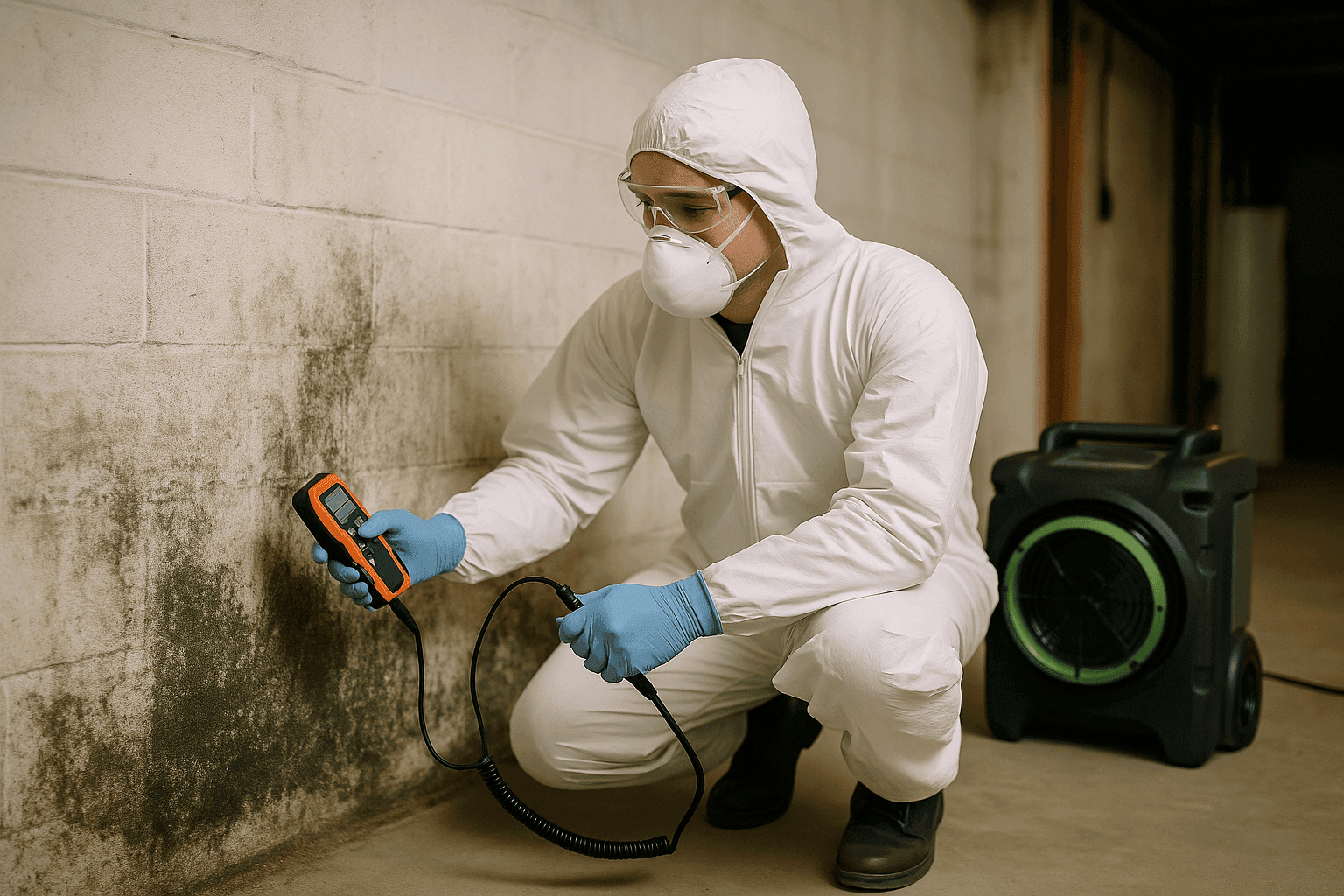
Mold sneaks in like an unwelcome guest. Sometimes, it’s a tiny spot behind the fridge. Other times, it’s a full-blown invasion after a leak or flood. Either way, it’s more than just ugly—it’s a threat to your home and health.
At Black Mold Fix, we know how overwhelming it can feel when you spot those first dark patches. You want it gone fast. But choosing the right mold remediation service isn’t just about speed. It’s about protecting your family and your investment for the long haul.
Why Choosing the Right Mold Remediation Service Matters
Mold isn’t just a stain on the wall. It’s a living organism, thriving in damp, hidden places. Left unchecked, it can damage walls, floors, and even the air you breathe. The Centers for Disease Control and Prevention (CDC) warns that exposure to mold can trigger allergies, asthma, and respiratory problems.
Picking the right team is like choosing a surgeon. You want skill, experience, and honesty. The right company does more than remove what you see—they find the root cause, fix it, and help you keep mold away for good.
Quick Safety Checklist 🛡️
Before you make any moves, run through this safety list:
- Avoid touching mold with bare hands or disturbing it—spores can spread easily.
- Ventilate the area if possible, but don’t use fans directly on mold patches.
- Keep kids and pets away from affected rooms.
- Check for musty odors—sometimes, your nose knows before your eyes do.
- Look for water leaks or damp spots—these are mold’s favorite haunts.
- Wear a mask if you need to enter the area.
If you spot widespread growth, or if anyone in your home has health issues, it’s time to call professionals right away.
DIY vs. Call a Pro
It’s tempting to grab bleach and scrub away. For tiny patches on non-porous surfaces, this might work. But mold is like an iceberg—what you see is often just the tip.
When DIY Might Be Enough
- The area is less than 10 square feet (about the size of a bath towel).
- The surface is hard and non-porous (like tile or glass).
- There’s no sign of water damage or leaks.
When to Call in the Pros
- The area is large or keeps coming back.
- Mold is on drywall, wood, insulation, or carpet.
- You smell mold but can’t see it.
- There’s been recent flooding or significant water damage.
- Anyone in the home has asthma, allergies, or compromised immunity.
Professional mold remediation services like Black Mold Fix use specialized tools, safety gear, and proven protocols. We get to the root of the problem, not just the surface.
What Pros Do On Arrival
A reputable mold remediation team arrives with a plan—and the right equipment.
Step-by-Step Process
- Inspection & Testing: Certified inspectors look for visible mold, hidden growth, and moisture sources. Air quality testing may be used to detect airborne spores.
- Containment: Plastic sheeting and negative air machines keep spores from spreading.
- Removal: Damaged materials are carefully removed and bagged. Surfaces are cleaned with EPA-registered solutions.
- Drying & Dehumidification: Industrial fans and dehumidifiers dry out the area to prevent mold’s return.
- Post-Remediation Testing: Air and surface samples confirm the job is done right.
- Prevention Advice: Pros share tips for keeping your home dry and mold-free.
According to the Environmental Protection Agency (EPA), proper containment and removal are key to effective mold remediation.
Prevention & Maintenance
Stopping mold means stopping moisture. Even after remediation, vigilance pays off.
- Fix leaks fast. Dripping pipes and roof leaks are mold’s best friends.
- Use dehumidifiers in damp areas like basements and crawl spaces.
- Improve ventilation. Bathrooms, kitchens, and laundry rooms need exhaust fans.
- Check gutters and downspouts to direct water away from your foundation.
- Inspect regularly. Look for signs of water stains, warping, or musty smells.
Consider routine inspections and air quality testing, especially in older homes or after water incidents. Preventative maintenance from Black Mold Fix can help you sleep easier.
Costs & Time Factors
Mold remediation costs can feel like a mystery. Here’s what shapes the price:
- Size of the affected area. Larger infestations mean more work and materials.
- Type of materials involved. Removing mold from drywall or insulation costs more than cleaning tile.
- Extent of water damage. If floors, walls, or belongings are soaked, restoration adds to the bill.
- Special services needed. Air quality testing, structural drying, or content cleaning can increase costs.
Most jobs take anywhere from a few hours to several days. Emergency mold services are typically faster but may cost more due to urgency and after-hours labor.
Always ask for a detailed, written estimate. A trustworthy company explains what’s included—and what’s not—so there are no surprises.
When It’s an Emergency
Mold emergencies don’t wait for business hours. Floods, burst pipes, or sudden leaks can spark rapid mold growth in as little as 24–48 hours.
Signs you need emergency mold help:
- Rapidly spreading mold after water damage.
- Strong, persistent musty odors throughout the home.
- Visible mold on furniture, walls, or ceilings after a flood.
- Health symptoms like coughing, sneezing, or headaches in multiple family members.
Emergency mold services from Black Mold Fix are designed to respond quickly—because every hour counts. Fast action minimizes damage and keeps your family safer.
What to Ask Before You Hire
Not all mold remediation companies are created equal. Here’s how to separate the pros from the pretenders:
- Are you certified? Look for credentials from organizations like the Institute of Inspection Cleaning and Restoration Certification (IICRC) or the National Organization of Remediators and Mold Inspectors (NORMI).
- Do you carry insurance? Liability and workers’ compensation coverage protect you if something goes wrong.
- Can you provide references? Past customers are your best reality check.
- What’s included in your estimate? Make sure testing, removal, and post-remediation verification are covered.
- How do you prevent cross-contamination? Ask about containment procedures.
- What safety measures do you follow? Reputable companies follow Occupational Safety and Health Administration (OSHA) guidelines.
- How soon can you start? Emergencies require rapid response.
Watch out for vague answers, pushy sales tactics, or companies that skip inspections before quoting a price.
FAQ: Mold Remediation for Homeowners
How do I know if I have hidden mold?
Mold often hides behind walls, under floors, or in HVAC systems. Signs include musty smells, unexplained allergies, or recent water damage. Professional mold testing can reveal hidden issues.
Will mold come back after remediation?
If moisture problems aren’t fixed, mold can return. That’s why true remediation includes both removal and prevention. Regular inspections and moisture control are key.
Is mold dangerous for healthy adults?
Some molds produce allergens and irritants that can affect anyone, not just those with allergies. Children, seniors, and people with compromised immune systems are at higher risk.
What happens to my belongings during remediation?
Items affected by mold are cleaned, restored, or safely disposed of. Sensitive items like documents or electronics may require specialized cleaning.
Special Considerations for Mold Remediation
Every home is unique. Some situations call for extra care:
- Historic homes: Older materials may contain asbestos or lead paint. Testing and safe removal are essential.
- Basements and crawl spaces: These areas often need waterproofing, encapsulation, or structural drying.
- HVAC systems: Mold can hide in ductwork, spreading spores throughout the house. Professional HVAC cleaning is a must.
- Insurance claims: Navigating paperwork can be stressful. Black Mold Fix assists with documentation for your claims process.
Finally, always insist on post-remediation testing. This confirms your home is safe before you move back in or resume normal life.
Call Black Mold Fix now — or reach us anytime at 888-892-6857 .