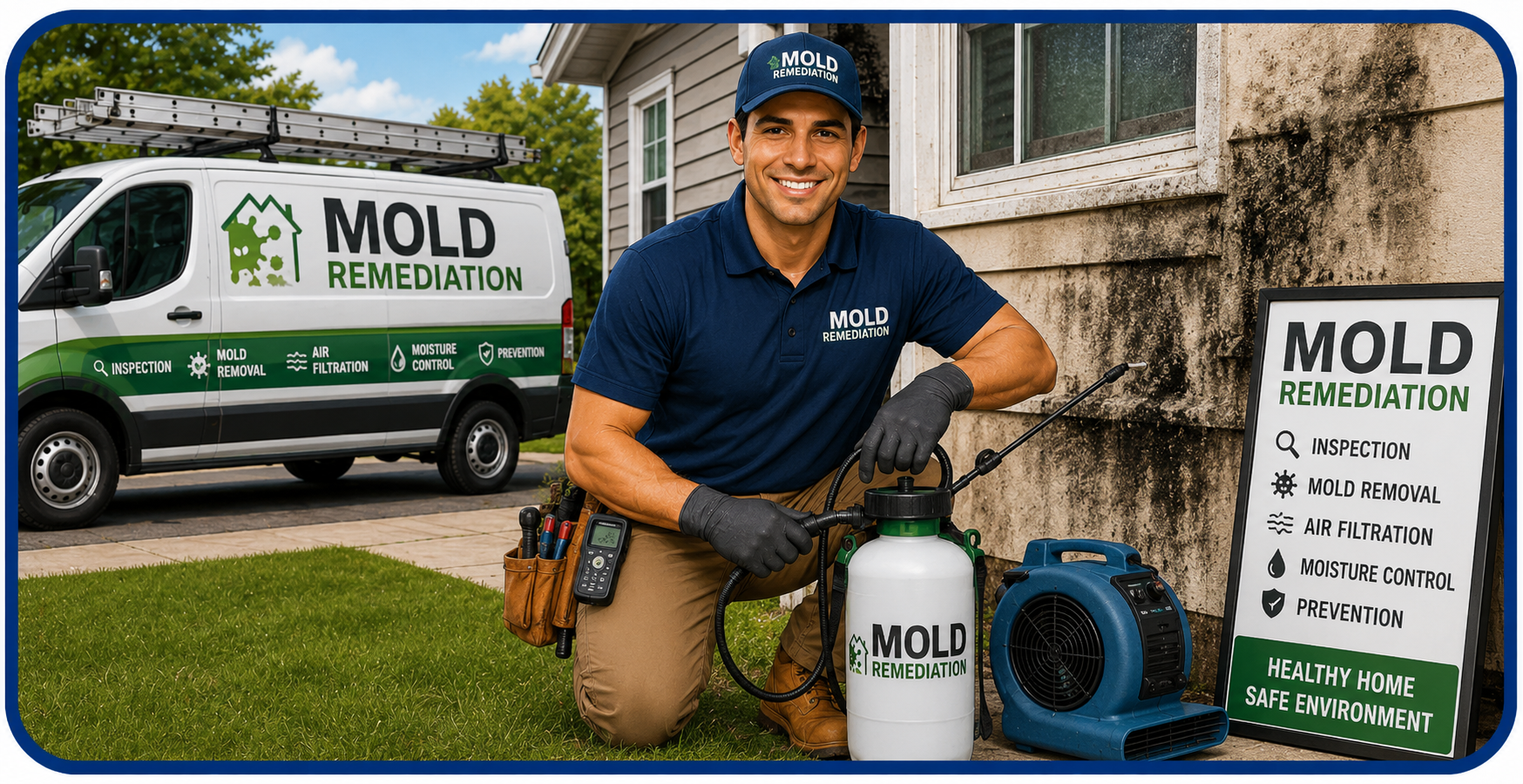
Attic Mold Remediation in Denver, PA
Dark stains across the roof decking, frosted nail tips in cold weather, or an inspector noting growth in the attic usually point to a ventilation issue, not just mold. One call connects you with a licensed, insured independent Denver specialist who cleans the sheathing and corrects the airflow that caused it.
- Media blasting or HEPA sanding of roof decking
- Bath fan rerouting and ventilation fixes
- Independent attic specialists with insurance
- Quick turnaround for home sales
Attic Mold Is Usually an Airflow Problem
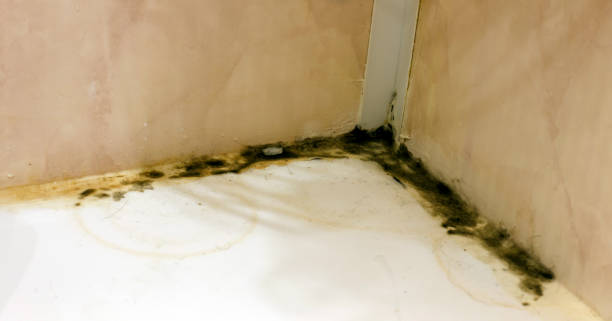
Roof leaks cause some attic mold, but most of it has a different source. It comes from warm, humid air from the living space ending up in a cold attic, where it condenses on the underside of the roof sheathing. The usual culprits are bathroom exhaust fans ducted into the attic instead of outside, dryer vents that disconnected, air leaks around recessed lights, attic hatches, and plumbing stacks, and blocked soffit vents that stop air from moving through.
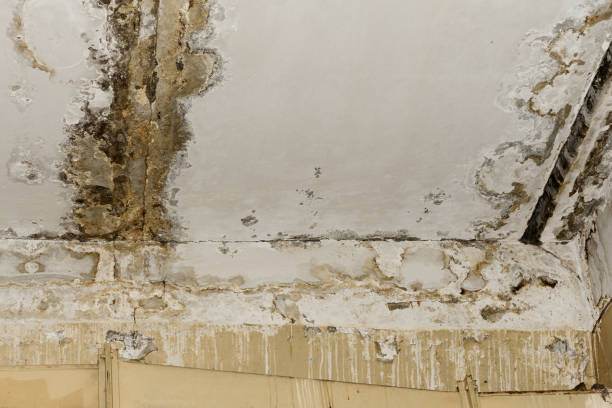
The way the staining spreads tells you a lot. Gray-black staining on the north-facing side of the roof, where the sheathing stays coldest, points to condensation. Heavier staining clustered around a bath fan or kitchen vent means that fan is dumping moist air into the attic. In winter, you may see frost on the tips of roofing nails that drips when it melts, leaving rust rings and water spots on insulation below. Isolated staining under a valley or flashing points to a roof leak instead.
Cleaning the wood without fixing the airflow just resets the clock. That is why attic jobs always include a ventilation assessment and a plan to correct it.
Why Choose Our Specialized Attic Mold Remediation in Denver, PA
Attic remediation means tight spaces, heat, and airflow diagnostics. This is what to expect from the specialist we route you to.
Licensed and Insured Pros
The independent contractors we route attic calls to are expected to carry liability and workers' compensation insurance and hold any license your area requires.
Clear Pricing Before Work Begins
Attic jobs are usually priced by the affected square footage of sheathing plus any ventilation and insulation work, all written out before starting.
Quick Local Dispatch
Being local to Denver, contractors can often quote within a day and work around closing deadlines.
Attic-Specific Equipment
Expect dry ice or soda blasting rigs, HEPA sanders, negative air machines, insulation vacuum trucks, and a thermal camera to find air leaks.
Attic Mold Solutions Available in Denver
Attic projects pair the cleanup with fixes to the cause. Here are the main components.
Dry Ice and Soda Blasting of Sheathing
Dry ice or soda blasting removes growth from large areas of decking and rafters fast and evenly. Dry ice leaves no secondary media to clean up. The attic is kept under negative air during blasting, followed by HEPA vacuuming.
Hand Cleaning for Light Staining
Light or localized staining can be removed with HEPA-shrouded sanders and wire brushes, then HEPA vacuumed and damp-wiped. It is slower but works well in small attics or tight areas near the eaves.
Sealing Cleaned Sheathing
Once cleaned, sheathing and rafters are often treated and coated with a clear or white encapsulant. The coating does not replace cleaning, but it gives future inspectors visible proof the attic was treated.
Bath Fan Rerouting and Ventilation Fixes
Exhaust fans get insulated ducts run outside, soffits are cleared with baffles, and exhaust vents are added where airflow is unbalanced.
Insulation Removal and Air Sealing
Damaged insulation is vacuumed out, gaps around fixtures and penetrations are foam-sealed, and fresh insulation is installed. Air sealing is one of the most effective ways to keep moist air out.
How a Attic Mold Remediation Call Works, Step by Step
Attic jobs follow a clear sequence from diagnosis through prevention.
Call Dispatch
Call +1-844-692-0486 and tell us what you have, whether it is an inspection report, photos, or your own observations.
Rapid Mobile Arrival
A local attic specialist schedules a visit, often quickly when a home sale is involved.
Expert Assessment and Quote
They measure affected sheathing, check moisture and ventilation, and write up cleanup plus corrections with a price.
Verified Resolution
Cleanup happens under negative air, ventilation is corrected, insulation replaced if needed, with optional clearance.
Real Attic Mold Remediation Calls and How They Played Out
Our dispatchers route calls like these every week. Here is how the independent contractors typically handle them.
The home sale flag
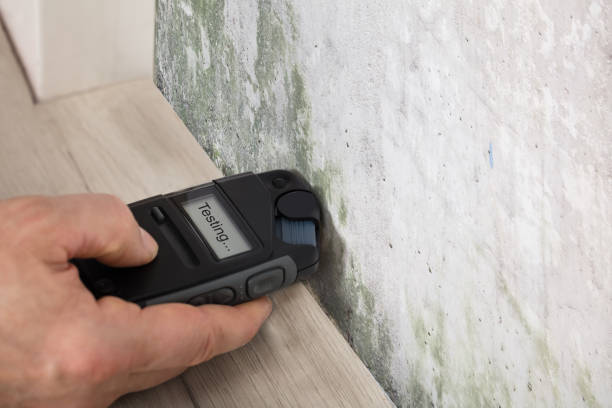
A seller's buyer inspection noted dark staining across the north side of the attic. The contractor found two bath fans ducted directly into the insulation and almost no soffit intake because insulation had been blown over the vents.
Outcome: the sheathing was dry ice blasted, the fans were vented through the roof, baffles were installed, and the sale closed on schedule.
Winter drips on the ceiling
A homeowner saw water spots appearing on bedroom ceilings during a cold snap with no rain. The contractor found frost on hundreds of roofing nail tips and staining on the decking, caused by warm air leaking around recessed lights.
Outcome: the sheathing was cleaned and encapsulated, the light fixtures and top plates were air sealed, and insulation was topped up.
A roof leak behind attic growth
A family noticed a musty smell on the upper floor. In the attic, the contractor found a cracked rubber boot around a plumbing vent letting rain run down the pipe, with growth on the surrounding decking and wet insulation.
Outcome: a roofer replaced the boot, the affected decking was cleaned and treated, and the wet insulation was replaced.
Attic Mold Remediation Questions, Answered
Straight answers to what callers ask us most about this service.
Does attic mold affect the air in my house?
It can, depending on how much air moves between the attic and living space. Homes with gaps around light fixtures, attic hatches, and ductwork in the attic can pull attic air downstairs, especially when the HVAC runs. Sealing those leaks is part of a good attic job for exactly that reason.
Do I need to replace my roof sheathing?
Usually not. Surface growth on sound plywood or OSB can be cleaned and treated. Replacement is only needed when the wood has delaminated, gone soft from rot, or is structurally compromised, which is more common with long-term roof leaks than with condensation.
How much does attic mold remediation cost in Denver?
Cost depends on how much sheathing is affected, the method used, and what ventilation and insulation work is needed. A partial attic cleanup may be in the low thousands, while a full attic with blasting, insulation replacement, and new vents costs more. You get a written estimate before work begins.
Will the mold come back after the attic is cleaned?
It should not, as long as the moisture source is fixed. Attic mold returns when bath fans still vent into the attic, soffits stay blocked, or air leaks are not sealed. That is why ventilation and air sealing are part of the job, not optional extras.
Is the white stuff on my attic wood mold?
It might be, or it might be efflorescence or frost residue. White fuzzy growth on sheathing is often a mold species, while crystalline white deposits are usually minerals left by evaporated moisture. A tape lift sample can tell you for sure.
Can attic mold remediation be done before my home closing?
Often, yes. Many attic jobs take one to three days once scheduled. Contractors who work with real estate deals understand deadlines and can often quote quickly. Independent clearance testing adds a few days for lab results, so plan for that if the buyer requires it.
Attic Mold Remediation Coverage Across Denver
Attic calls come in from all over Denver, older homes with plank decking and newer homes with OSB alike. Local contractors know which home styles in the area tend to have ventilation problems.
Call any time to get matched with an attic specialist in Denver. Nearby cities and zip codes we serve are listed below.
Call +1-844-692-0486
Before the attic specialist arrives
- Avoid disturbing insulation or stained wood.
- Run bath fans less until the vent is checked.
- Keep the attic hatch closed.
- Gather your home inspection report and photos.
- Note any ceiling stains on the floor below.