Crawl Space Mold Remediation in Marion County County, IN
One call connects you with a licensed, insured independent mold specialist who already works throughout Marion County. Musty finished basement, stained attic sheathing, or growth behind a leaking washer, the contractor we route you to contains it, removes it, and fixes the water issue underneath.
- Phones answered around the clock, every day
- Independent local pros who carry licensing and insurance
- Written scope and price before work begins
- Calling us is free, with no obligation
A Trusted Referral Network for Crawl Space Mold Remediation in Marion County County, IN
Black Mold Fix is a free referral service, not a remediation company. When you call +1-844-692-0486, a dispatcher listens to what you are dealing with and connects you to an independent, licensed and insured mold remediation contractor who works throughout Marion County. Contractors we send to county calls tend to have years in these same neighborhoods. They know which subdivisions sit on slabs, which older streets have damp crawl spaces, and where groundwater runs close to the surface.
We started doing this because we kept hearing the same story from people who had already been burned. Somebody sprays bleach on a wall, paints over it, and the stain bleeds back through in three months. Or a crew shows up, tears out drywall without any containment, and spreads spores through the whole house through the return vent. Mold work done wrong is often worse than mold left alone for another week. So the contractors we route calls to are expected to work the way the industry standard describes: contain the area, run HEPA-filtered negative air, physically remove contaminated material, clean what can be cleaned, dry the structure, and fix the moisture source.
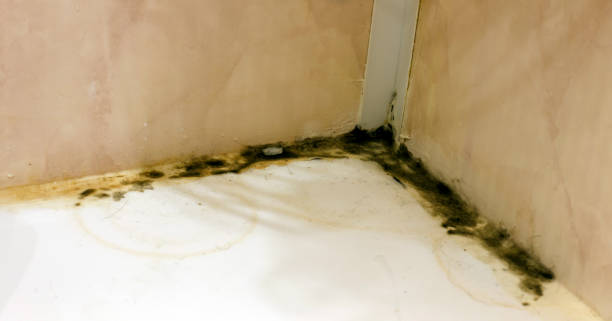
Most of the calls we take start with one of four things. A smell that will not go away no matter how often the carpets get cleaned. A visible patch of growth, usually on drywall, ceiling paint, window trim, or the underside of a sink cabinet. A water event, like a burst supply line, a roof leak after a storm, or a sump pump that quit during heavy rain. Or a report from a home inspector or buyer's agent that mentions "suspected microbial growth" in the attic or crawl space and puts a closing date at risk. Each of those needs a slightly different response, and the dispatcher's first job is to figure out which one you are dealing with.
Mold does not fix itself with time. Common indoor species can start colonizing damp drywall paper, wood, and carpet backing within 24 to 48 hours of a leak, and once it is established it keeps feeding as long as the moisture is there. The EPA's general guidance is that patches larger than about 10 square feet, growth inside HVAC systems, or mold that came from sewage or contaminated water should be handled by trained professionals. Ten square feet is about a 3-by-3 foot patch, which surprises a lot of homeowners. If you are past that point, or you cannot see how far it goes, it is time to call.
How the referral works
- Live dispatchers answer day and night, including weekends and holidays.
- Every contractor we route to is independent, local, and expected to carry the licensing and insurance your area requires.
- You speak with the contractor directly about scope, price, and scheduling before any work begins.
- There is never a charge for using the referral line.
How to Tell It Is Time for Crawl Space Mold Remediation in Marion County County, IN
Mold does not always announce itself with a black patch on the wall. Here is what the contractors in our network tell callers to watch for:
- A musty, earthy odor that comes back after cleaning, especially when the HVAC kicks on or after rain.
- Staining or discoloration on ceilings, baseboards, window sills, or the underside of cabinets, even if it looks like dirt.
- Peeling paint, bubbling wallpaper, or warped baseboards, all signs of moisture behind the surface.
- Condensation on windows and cold pipes most mornings, which points to high indoor humidity.
- A recent leak or flood that was mopped up but never professionally dried.
- Allergy-like symptoms that improve when you leave the house for a few days.
- A home inspection report mentioning microbial growth, elevated moisture, or water staining.
If two or more of these sound familiar, an inspection is worth the call. The dispatcher at +1-844-692-0486 can help you figure out whether you need a moisture survey, testing, or a full remediation quote.
Crawl Space Mold Remediation Services Available in Marion County County, IN
Mold jobs vary, but nearly all of them fit one of these categories. The independent contractor we connect you with will confirm the right approach after an on-site inspection.
Round-the-Clock Emergency Mold Response
Nearly every mold emergency begins as a water emergency. A supply line bursts behind the refrigerator, a toilet overflows into the subfloor, or a storm pushes rain under the flashing and into the attic. The clock starts the moment materials get wet. An emergency response contractor's first job is to stop the water, extract standing moisture, and get air movers and low-grain refrigerant (LGR) dehumidifiers running before growth takes hold.
If growth is already visible, the crew sets up containment before anything gets disturbed. That means 6-mil polyethylene sheeting, zipper doors, and a negative air machine exhausting filtered air outside so spores do not drift into clean rooms. You should get moisture readings on the first visit, documented photos for your insurance adjuster, and a plain explanation of what must be removed versus what can be dried in place.
Residential Mold Remediation for Every Room
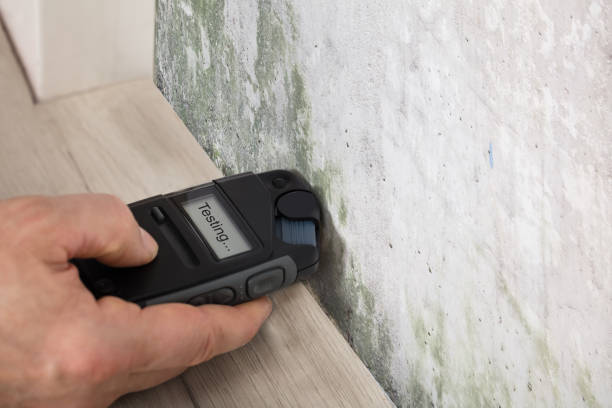
Most residential work happens in the same handful of places: bathrooms, kitchens, laundry rooms, basements, attics, and closets on exterior walls. The contractor maps moisture with a pin meter and a pinless meter, often backed by a thermal imaging camera, to find wet framing and drywall that looks fine on the surface. That moisture map is what decides where the tear-out stops.
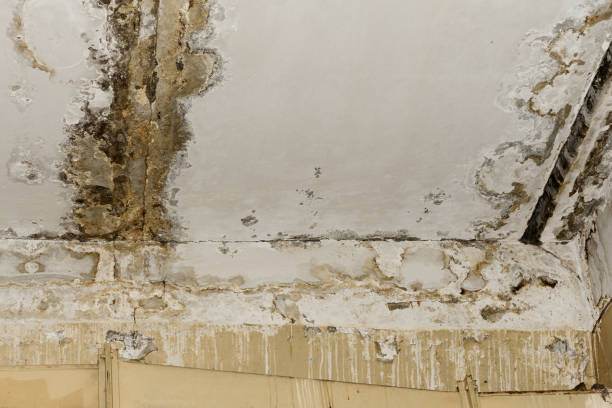
Porous materials with active growth, like drywall, ceiling tile, carpet pad, and insulation, are cut out and bagged inside containment. Common practice is to remove drywall at least 12 to 24 inches past the last visible growth. Structural wood and other semi-porous materials are HEPA vacuumed, wire-brushed or sanded where needed, damp-wiped with an EPA-registered antimicrobial, and dried to normal moisture content. Some contractors finish by applying a clear or white antimicrobial coating to treated framing, which helps document the cleaned area for future buyers. Families with kids, older relatives, or anyone with asthma usually want the work area sealed off tightly, and a good contractor will plan the job around where everyone sleeps.
Mold Remediation for Commercial Property
Commercial jobs are a different animal. Offices, restaurants, retail spaces, schools, churches, warehouses, and apartment buildings have tenants, customers, and schedules that cannot just stop. The contractor we connect you with should be comfortable phasing the work, sealing off sections with hard-wall or poly containment, running work after hours, and keeping occupied areas under positive pressure while the work zone stays negative.
For property managers and facility directors, the paperwork matters almost as much as the cleanup. That means a written scope, daily logs, moisture and pressure readings, photo documentation, waste handling notes, and support for third-party clearance testing when the job wraps. In apartments and condos, one leaking unit often damages the units next to and below it, so the scope must follow the water, not the unit lines.
Mold Solutions for Attics, Basements and Crawl Spaces
These are the hidden spaces where mold grows for years before anyone notices. In attics, the usual culprits are bathroom fans venting into the attic instead of outside, blocked soffit vents, and roof leaks. Growth shows up as gray or black staining on the north-facing roof sheathing and around nail tips. Depending on the extent, contractors use HEPA sanding, soda blasting, or dry ice blasting, then correct the ventilation so the problem does not return next winter.
Basements and crawl spaces fight ground moisture. Typical fixes include removing wet finished drywall and carpet, treating floor joists and sill plates, installing a heavy vapor barrier on a dirt crawl space floor, sealing foundation vents, and adding a dedicated dehumidifier that holds humidity under about 50 percent. When the real cause is grading or gutters, a straight contractor tells you that rather than selling you a bigger dehumidifier.
Mold Remediation for HVAC Systems and Ductwork
When mold is inside the air handler, every room it serves is on the circuit. Common trouble spots are the evaporator coil, the condensate drain pan, the blower housing, and the first stretch of ductwork off the supply plenum. A clogged condensate line can keep a drain pan wet for months. Contractors who handle this work should follow the NADCA ACR standard for duct cleaning and use source-removal methods with HEPA-filtered negative air rather than just fogging the system.
Sheet metal ducts can usually be cleaned. Fiberglass duct board and flex duct with growth on the inner liner generally cannot, and the honest answer is replacement. After cleaning, the coil and pan get treated, the drain line gets flushed and fitted with a proper trap, and the contractor checks whether the system is oversized, which can leave a home cool but clammy.
Mold Inspection, Air Testing and Clearance Checks
Sometimes the nose finds mold before the eyes do. An inspection starts with a visual walk-through, a moisture survey, and questions about the home's water history. Air sampling with spore trap cassettes compares indoor counts to an outdoor baseline, and surface tape lifts or swabs identify what is growing on a specific spot. Samples are sent to an accredited lab, with results typically back within a few business days.
Testing is not always necessary. If you can already see the growth and know the leak that caused it, the money is usually better spent on fixing it. Testing earns its keep when the source is hidden, when someone in the home has health concerns, for real estate transactions, and after remediation to confirm the area is back to normal. For clearance, a lot of owners want an independent assessor who had no part in the cleanup, and some states require that separation by law.
How a Crawl Space Mold Remediation Call Works From Start to Finish
From your first call to the final walk-through, here is what to expect.
Call and Talk to Dispatch
Call +1-844-692-0486 any time. A dispatcher asks what you see, what you smell, where it is, and whether there has been a recent leak or flood, then routes you to an available local contractor.
Fast On-Site Visit
The contractor sets a visit time, frequently same-day for active water. They show up with moisture meters, a thermal camera, and the equipment to keep things from spreading.
Assessment and Written Quote
They walk you through the moisture readings and photos, then hand you a written scope covering containment, removal, cleaning, drying, and cost before any work begins.
Cleanup, Drying and Final Check
The crew contains, removes, HEPA cleans, dries, and fixes the moisture cause, then finishes with a final walk-through and optional clearance testing to confirm results.
What a proper remediation job actually looks like
If this is your first time dealing with mold, knowing what good work looks like makes it easier to spot a shortcut. Most reputable contractors follow the general approach in the IICRC S520 standard for professional mold remediation, even when local rules do not require it.
- Containment goes up before any demolition, sized to the job, with the work area under negative pressure so air flows in, not out.
- Workers wear proper PPE, typically N95 or half-face respirators with P100 filters, disposable coveralls, and gloves.
- Contaminated porous material is bagged inside the containment and carried out in sealed 6-mil bags.
- Remaining surfaces are HEPA vacuumed and damp-wiped, then HEPA vacuumed again.
- Wood and framing are dried to normal moisture content before anything gets closed back up.
- The moisture source is identified and corrected, or clearly documented if it needs another trade like a plumber or roofer.
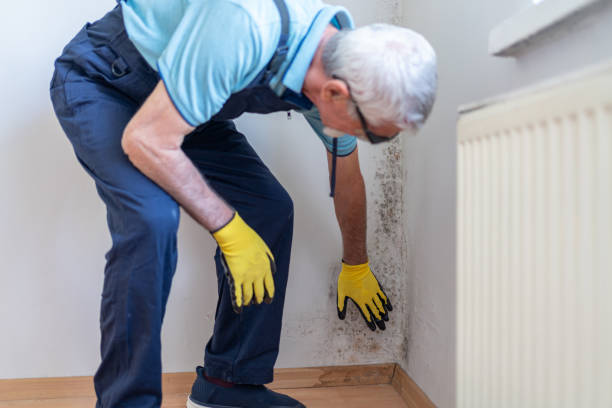
Be wary of anyone who offers to spray and walk away. Fogging, ozone, or bleach on drywall does not remove mold. Dead spores can still trigger allergies, and bleach on porous material can leave the root structure intact under the surface. The consensus across the industry is simple: remove it physically first, and use chemicals only to support that.
Why People Call Us First for Crawl Space Mold Remediation in Marion County County, IN
We are not the cheapest name on a search page, and we are not trying to be. We focus on connecting you with independent contractors who do the work the right way, explain it clearly, and stand behind their own workmanship.
Clear Pricing Before Work Starts
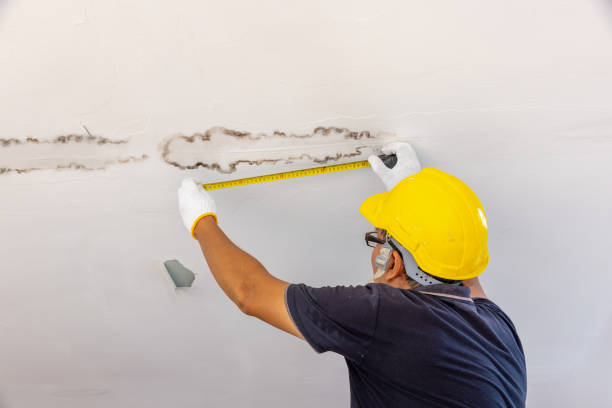
Nobody should be surprised by the final invoice. Contractors we work with are expected to give you a written scope and estimate after the inspection, broken into containment, removal, cleaning, drying, and rebuild if needed. If they find more damage once a wall is open, a good contractor stops, shows you, and updates the estimate before continuing.
Quick Response From Nearby Pros
Because every contractor in the network is local, response times are measured in hours, not days. Active water and flooding calls get prioritized. Arrival times depend on contractor availability and your location, and the dispatcher will tell you honestly what to expect before you hang up.
Licensed and Insured Independent Pros
Mold work involves demolition, chemicals, and sometimes electrical and HVAC systems, so insurance matters. The independent contractors we route calls to are expected to carry general liability and workers' compensation and to hold whatever licenses your state or municipality requires. Always ask to see current certificates before work starts. Any reputable contractor will send them without hesitation.
Fixes That Target the Moisture Source
Pulling out mold without stopping the moisture just means paying for the same job again later. The contractors we connect you with are expected to identify the water source, whether it is a slow drain leak, a vent dumping humid air into the attic, condensation on cold ductwork, or groundwater in the crawl space, and either fix it or tell you exactly who needs to.
Why two mold quotes can look so different
One of the most common questions we hear is why one estimate is twice the size of another. Usually the two contractors are not quoting the same job. One may be pricing a small wipe-down with no containment, while the other is pricing full containment, negative air, removal of drywall two feet past the growth, HEPA cleaning, drying, and a clearance visit. Compare the written scopes line by line before you compare the totals.
The biggest cost drivers are the square footage of affected material, access (a cramped crawl space or a finished ceiling takes longer than an open wall), how much has to be removed versus cleaned in place, the drying time, waste disposal, and whether rebuild work is part of the quote. Testing, when needed, is usually a separate line item, and independent clearance testing is often billed by the assessor directly.
How to keep the job from coming back
The cleanup removes what is there, but the building has to stay dry from then on. The contractors in our network tell homeowners the same handful of things after almost every job:
- Keep indoor relative humidity between about 30 and 50 percent, and check it with an inexpensive hygrometer.
- Run bathroom exhaust fans during showers and for 20 minutes after, and confirm they vent outdoors.
- Clean gutters, extend downspouts at least several feet from the foundation, and keep soil sloped away from the house.
- Replace rubber washing machine hoses with braided steel and check under sinks every few months.
- Dry any leak or spill within 24 to 48 hours, and call for help if materials stay wet longer.
Questions worth asking any mold contractor
We tell every caller to ask these questions, including of the contractors we send. How will you contain the work area, and will it be under negative pressure? What will you remove, and how far past the visible growth will you go? How will you verify the structure is dry before closing it up? Do you recommend independent clearance testing? What caused the moisture, and does the fix need another trade? Clear, specific answers are a good sign. Vague answers and pressure to sign today are not.
Free referral, 24/7
What a Typical Crawl Space Mold Remediation Call Looks Like
Our dispatchers route calls like these constantly. Here is how they typically unfold.
The closing-date scramble
A buyer's inspection flagged dark staining on the attic sheathing two weeks before closing. The seller called us on a Thursday evening. The contractor we routed the call to found a bathroom fan ducted straight into the attic insulation, quoted the job the next morning, and had the sheathing HEPA sanded and treated with the fan rerouted through the roof within a few days.
Outcome: clearance testing by a separate assessor came back normal, and the sale closed on schedule.
The smell nobody could find
A family had a musty smell in a hallway closet for months. Two carpet cleanings did nothing. The contractor's thermal camera picked up a cool spot on the wall shared with the bathroom, and a pin meter confirmed wet drywall. Behind it was a slow leak at the shower valve and growth across the back of two drywall panels.
Outcome: a plumber fixed the valve, the wall section was removed under containment, and the smell was gone the same week.
The flooded finished basement
A sump pump failed during an overnight storm and put two inches of water across a finished basement. By the time the homeowner called, it had been three days. The contractor found growth starting on the bottom of the drywall and the carpet pad.
Outcome: the crew flood-cut the walls at two feet, removed the pad, dried the space with LGR dehumidifiers, and recommended a battery backup pump.
The restaurant walk-in
A restaurant manager noticed mold growing around the walk-in cooler's door gasket and on the ceiling panels above the dish area. The business could not shut down for a week. The contractor phased the work over three overnight shifts with poly containment and negative air.
Outcome: the kitchen opened on time every morning, and the dish area exhaust hood was rebalanced to stop the condensation.
A landlord between tenants
A landlord found black spotting along the bedroom window wall after a tenant moved out. The contractor traced it to condensation on single-pane windows and a failed exterior caulk joint, not a plumbing leak.
Outcome: the affected drywall was replaced, the wall cavity treated and dried, and the window sealed before the next tenant moved in.
Crawl Space Mold Remediation Questions We Hear Every Day
Honest answers to the questions we get asked most often.
How fast can a Crawl Space Mold Remediation technician arrive in Marion County County, IN?
Most Marion County callers are connected with a local contractor the same day. Active water emergencies are prioritized and can often be seen within hours. The dispatcher tells you what to expect before you hang up.
Do you provide upfront pricing?
Yes. After the inspection, the independent contractor we connect you with should hand you a written scope and estimate before starting anything. Price depends on the size of the affected area, how hard it is to reach, how much material has to come out, and whether rebuild work is included. Small, contained jobs such as a single bathroom wall section often cost a few hundred to a couple thousand dollars, while whole-basement or attic jobs can run higher. Calling us for the referral is always free.
What emergency services are available?
Our line handles emergency calls around the clock. The contractor we route you to can typically help with active water extraction, structural drying, emergency containment of visible growth, removal of soaked drywall, carpet, and insulation, and documentation for insurance. If water is still flowing, shut off the main water valve first, and turn off electricity to any wet area if you can do it safely.
Is black mold more dangerous than other mold?
Color alone does not tell you much. Stachybotrys chartarum, the species people usually mean by black mold, grows on wet cellulose like drywall paper and is often found after long-term leaks. But many common molds look dark, and all of them can trigger allergy and asthma symptoms in sensitive people. Whatever the species, the fix is the same: contain, remove, and stop the moisture. Lab testing can tell you the species if you want to know.
Can I just clean mold with bleach?
For small spots on hard, non-porous surfaces like tile or glass, a household cleaner can work. On drywall, wood, and other porous materials, bleach tends to whiten the surface while the growth underneath survives, and the added water can make things worse. The EPA suggests professional help for areas larger than about 10 square feet. If it keeps coming back after you clean it, that is a sign of an ongoing moisture source that needs to be found.
Will my homeowners insurance cover mold remediation?
It depends on your policy and on what caused the mold. Many policies cover mold that results from a sudden, accidental event like a burst pipe, while excluding mold from long-term leaks, humidity, or poor maintenance. Some policies have a separate mold sub-limit. Photograph everything, report the water event promptly, and ask the contractor for moisture readings and photo documentation to share with your adjuster.
Do I need to leave my home during mold remediation?
For most small and mid-sized jobs, no. Proper containment and negative air keep the work area isolated from the rest of the house, so families typically stay home. For larger jobs, work in bedrooms, or households with infants, elderly relatives, or people with respiratory conditions, the contractor may recommend staying elsewhere for a day or two. Ask the contractor about it. Their answer should line up with the containment they are planning.
How long does mold remediation take?
A typical single-room job runs one to three days, start to finish. Larger jobs, like a full basement, an entire attic, or a commercial suite, can take a week or more, mostly because the structure has to dry to normal moisture content before anything gets closed up. Drying is the part you cannot rush. A good contractor will show you the moisture readings each day so you know where things stand. Rebuild work like new drywall, paint, and flooring is usually scheduled after clearance.
Do you serve every town in Marion County?
Yes, the network covers the whole county, including incorporated cities, unincorporated areas, and rural roads. The city and zip code list below shows the areas we route calls for most often. Give the dispatcher your address at +1-844-692-0486 and they will confirm coverage immediately.
Is Black Mold Fix the company that does the work?
No, Black Mold Fix is a free referral line, not a contractor. We connect you with independent, licensed and insured local contractors who quote and perform the work themselves. You make the hiring decision, and you should verify the contractor's credentials before work begins.
Where We Connect You With Crawl Space Mold Remediation Pros in Marion County County, IN
Black Mold Fix routes calls across all of Marion County, including every incorporated city, unincorporated community, and rural route. The contractors we connect county callers with live and work locally, which keeps response times short and makes follow-up visits easy when a job needs a second round of drying checks or a final clearance test.
County-level work often involves a wide range of housing. Downtown cores may have older homes with plaster walls and original cast iron drains, while newer subdivisions have drywall over wood framing and HVAC equipment in the attic or garage. Rural properties may rely on wells and septic, have detached outbuildings, or sit on crawl spaces with dirt floors. A local contractor knows how to approach each of those differently. Find your city and zip code in the table below, or call +1-844-692-0486 now.
Call +1-844-692-0486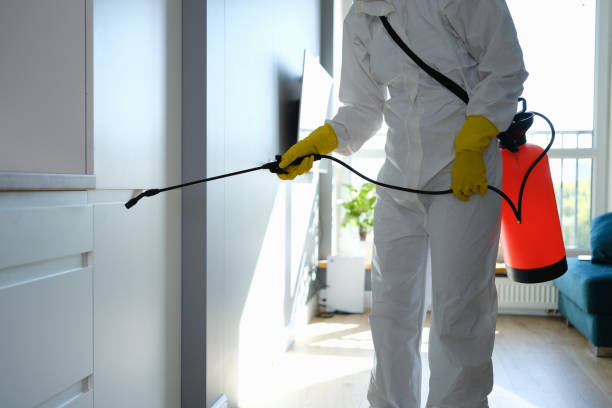
Before the contractor arrives
- Stop the water source if you can do it safely.
- Keep doors to the affected room closed.
- Turn off the HVAC if mold is near a return vent.
- Do not scrub, sand, or spray visible growth.
- Take photos for your insurance company.