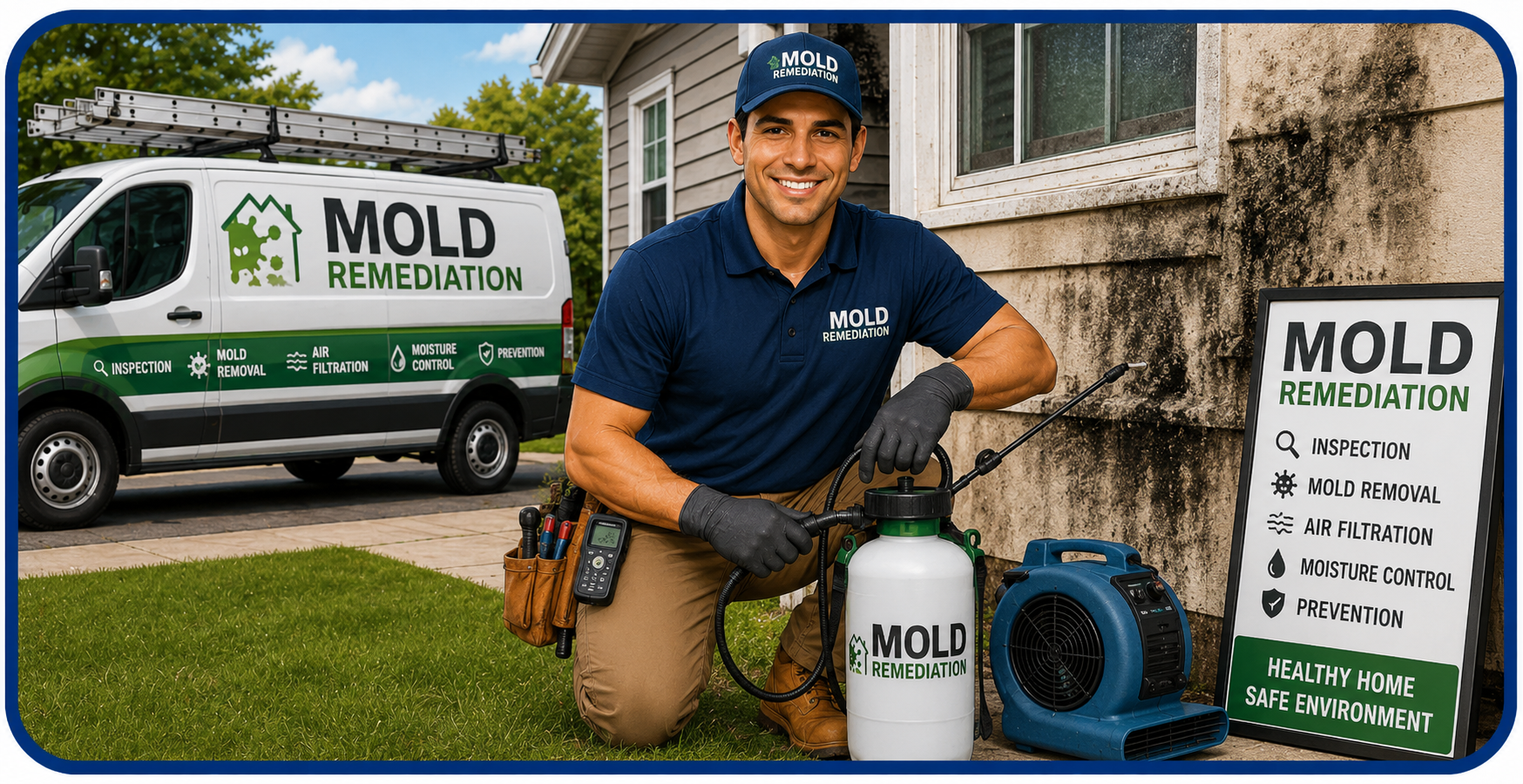
Commercial Mold Remediation in Mission Hills, CA
When mold shows up in a tenant space, a kitchen, a classroom, or a guest room, you need it handled without shutting everything down. One call connects you with a licensed, insured independent Mission Hills contractor who phases the work around your operations and hands you the documentation you need.
- After-hours and phased scheduling
- Full documentation for owners and insurers
- Licensed and insured independent local pros
- Clear scope and pricing before work starts
How Commercial Mold Remediation Is Different
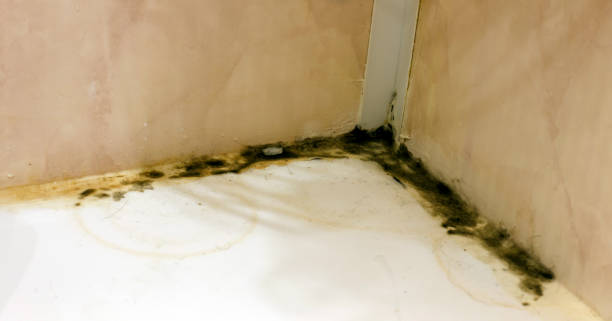
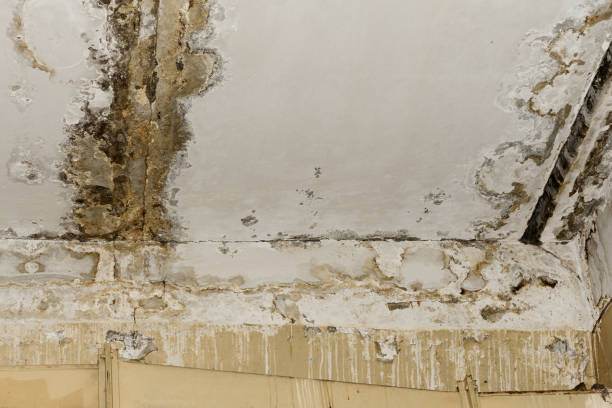
Mold behaves the same way in an office tower as it does in a bungalow. What changes is everything around it. Commercial buildings have occupants who cannot be displaced for a week, tenants with leases, customers who need to be kept safe, health inspectors, insurers, and owners who need a paper trail. HVAC systems serve whole floors, so a problem in one suite can spread through shared returns. And one leaking unit in an apartment or condo building often damages the units next to and below it.
Every commercial job should start with a written plan. On larger projects, an independent indoor environmental professional often writes the remediation protocol, and the contractor follows it. The plan covers containment boundaries, pressure differentials, HVAC isolation, worker protection under OSHA rules, waste routes that avoid occupied areas, work hours, and how and when occupants are notified. In healthcare settings, containment follows infection control risk assessment requirements, which are stricter still.
Documentation is part of the deliverable. Owners and managers usually need daily logs, moisture and pressure readings, photos, waste manifests, and clearance results to close out insurance claims, satisfy tenants, and protect against future liability.
Why Choose Our Specialized Commercial Mold Remediation in Mission Hills, CA
For commercial properties, dependability matters as much as technique. This is what to expect from the contractor we route you to.
Independent, Fully Insured Crews
Commercial contractors in our network are expected to carry liability, workers' comp, and often pollution coverage, with certificates available on request.
Upfront Written Scopes
Scopes and prices are written up front, often by phase, with any changes documented as change orders.
Fast Response in Mission Hills
Contractors local to Mission Hills can usually walk a commercial site quickly and mobilize for emergencies like flooding or sewage backups.
Commercial-Scale Equipment
Expect multiple negative air machines with pressure monitoring, hard-wall or poly containment systems, commercial dehumidifiers, HEPA vacuums, and lifts for high ceilings.
Commercial Mold Remediation Services in Mission Hills
These are the commercial property types and services the contractors we work with handle most.
Office and Retail Mold Remediation
Offices and stores are handled zone by zone after hours, with clean hard-wall containment and occupied areas kept positively pressured.
Multi-Unit Residential Mold Work
When one unit leaks, the contractor follows the water into adjacent and lower units, coordinates access with residents, and documents each unit separately for the owner and association. Fast unit turnover helps reduce lost rent.
Restaurant and Food Service Mold Remediation
Kitchens grow mold around walk-in coolers, dish areas, ceiling tiles, and hood exhausts. Work is scheduled overnight between service, with food-safe cleaning products and a clean handoff so the kitchen can open on time and pass inspection.
Mold Work in Sensitive Facilities
These facilities need tighter containment, careful scheduling, and clear communication with administrators and occupants. Healthcare work follows infection control risk assessment requirements.
Guest Room and Hospitality Mold Work
Guest room mold is often tied to PTAC units, bathroom ventilation, and window condensation. Contractors work room by room to keep inventory available, and address the HVAC or envelope cause so the problem does not spread to other rooms.
Warehouse and Industrial Mold Remediation
Warehouses can see growth on roof decks, inventory, and pallets after leaks or humidity spikes. Lifts, large-area containment, and commercial dehumidification are standard on these jobs.
How a Commercial Mold Remediation Call Works, Step by Step
Here is how a commercial job usually moves from first walk-through to a documented closeout.
Call Our Dispatch Line
Call +1-844-692-0486 and tell us the property type, affected area, and any timing limits.
Rapid Mobile Arrival
A Mission Hills commercial contractor walks the site quickly, right away for active water.
Expert Assessment and Quote
After assessing the area and any existing protocol, they deliver a written scope, schedule, and phased price.
Cleanup With a Final Check
Work proceeds under containment around your operations, with daily documentation and a final clearance package for your records.
What Commercial Mold Remediation Calls Look Like in Real Life
These are the kinds of situations our dispatchers route every week, and how the independent contractors handled them.
The second-floor tenant suite
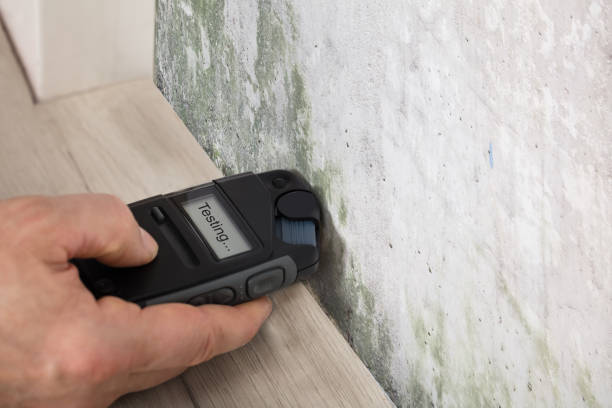
A property manager got complaints from a dental office about a musty smell. A roof drain had been leaking into the ceiling above a second-floor suite and down into the office below. The contractor contained both areas with hard walls and worked evenings over a week.
Outcome: both suites stayed open during the day, and the manager received daily logs and clearance results for the insurance claim.
Three units affected by one leak
A water heater failed in a third-floor apartment, sending water into two units below. The contractor removed wet drywall and insulation in all three units, set drying equipment, and documented each unit separately.
Outcome: residents stayed in place in two of the three units, and the owner had separate files for each unit's claim.
The school over spring break
A school maintenance director found stained ceiling tiles and wall growth in two classrooms after a roof leak. The district wanted it done before students returned. The contractor scheduled the work over spring break with full containment.
Outcome: an independent assessor's clearance came back normal before break ended, and classes resumed on schedule.
Common Questions About Commercial Mold Remediation
Honest answers to the questions we hear most about this service.
Can my business stay open during mold remediation?
In many cases it can. Commercial contractors routinely phase work by area, schedule after hours or on weekends, and use containment and negative pressure to keep occupied areas safe. Larger projects or work in sensitive spaces may require temporary closure of specific rooms. The contractor will lay out what is needed in the written plan.
Do we need an independent mold assessor for a commercial job?
It is often recommended for big jobs and required by law in some states. An independent indoor environmental professional can write the remediation protocol and perform clearance testing, which gives owners, tenants, and insurers confidence in the result. Some states require the assessor and remediator to be separate companies.
What documentation will we receive?
A good commercial contractor provides a written scope, daily logs, moisture and pressure readings, photographs, waste disposal records, and clearance results. This package supports insurance claims, satisfies tenants and auditors, and documents that the work was done properly.
How much does commercial mold remediation cost in Mission Hills?
Commercial projects vary widely based on square footage, building type, access, after-hours requirements, and documentation needs. A single suite may be a modest project, while a multi-floor or multi-unit job is much larger. The contractor provides a written scope and price, often phased, before mobilizing.
Who is responsible for mold in a rental or leased property?
It depends on the lease, local law, and the cause. Generally, owners handle building system failures like roof and plumbing leaks, while tenant-caused damage may shift responsibility. This is a legal question, and an attorney or local housing authority can give you specific guidance.
How do you keep occupants safe during commercial remediation?
Containment, pressure control, and planning keep people safe. Work zones are sealed and kept under negative pressure while occupied areas stay positive, HVAC serving the area is isolated, waste is moved along routes that avoid occupied spaces, and work is often scheduled when the building is empty or lightly used.
Where We Connect You With Commercial Mold Remediation Pros in Mission Hills
Commercial calls come in from all over Mission Hills, from office parks and storefronts to apartment communities, schools, and warehouses. Local contractors understand area permit requirements and can respond quickly to emergencies.
Property managers, facility directors, and business owners can call any time. Nearby cities and zip codes we serve are listed below.
Call +1-844-692-0486
While you wait for the walk-through
- Restrict access to the affected area.
- Shut down HVAC serving that zone if safe to do so.
- Notify your insurance carrier.
- Gather building plans and maintenance records.
- Document occupant complaints and dates.