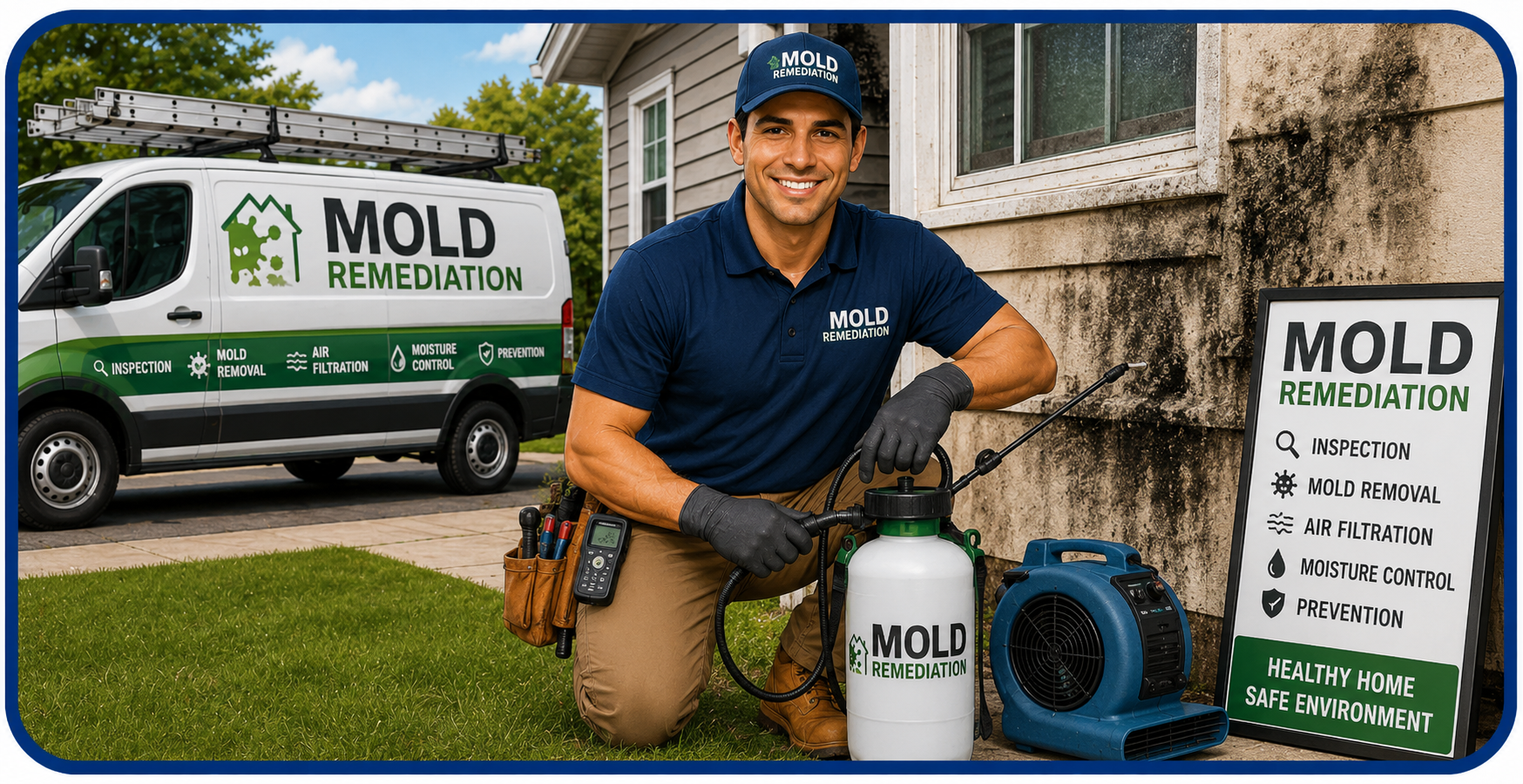
Basement Mold Remediation in Payson, IL
A musty smell every time you go downstairs, water across the floor after a storm, or growth climbing the bottom of finished drywall, basements fight moisture from every direction. One call connects you with a licensed, insured independent Payson specialist who removes the growth, dries the space, and gets the humidity under control.
- Emergency response after floods and sump failures
- Flood cuts, drying and humidity control
- Independent basement specialists with insurance
- Written scope before work begins
Basement Mold Starts With Water You Cannot Always See
Basements sit below the soil line, which means they deal with moisture in ways the rest of the house does not. Groundwater pushes against foundation walls through hydrostatic pressure. Concrete wicks moisture from the soil. Cool walls and floors cause summer humidity to condense. Then there are the sudden events: a sump pump that fails during a storm, a water heater that lets go, or a washing machine hose that bursts.
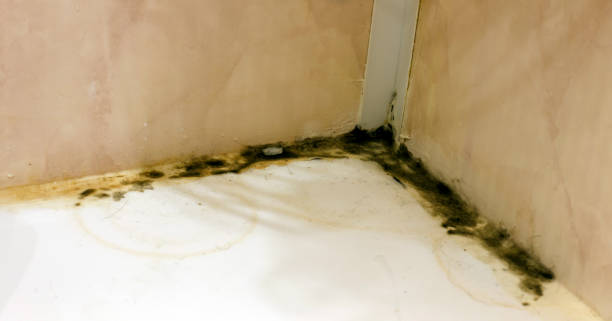
In a finished basement, the problem stays hidden longer. Drywall over concrete walls, carpet over a slab, and wood bottom plates sitting directly on concrete all stay damp and feed growth out of sight. A common sign is a musty smell that is worse in summer and a dark line along the bottom of the drywall. Unfinished basements show it more openly, with growth on stored boxes, wood shelving, and the rim joists along the top of the foundation.
White deposits on concrete are not always mold. Efflorescence is a crystalline mineral deposit left when water moves through concrete and evaporates. It is a moisture warning, but it is not growth, and it crumbles to powder when touched. Mold tends to look fuzzy and grows on organic materials.
Why Callers Trust Us for Basement Mold Remediation in Payson, IL
Basement jobs succeed or fail on moisture control. Here is what the specialist we connect you with brings.
Licensed and Insured Pros
The independent contractors we route basement calls to are expected to carry liability and workers' compensation coverage and hold any license your area requires.
Upfront Written Estimates
The estimate spells out flood cuts, removal, cleaning, drying, and dehumidification in writing first.
Rapid Flood Response
Flooded basements are time-critical, and contractors local to Payson prioritize active water. The dispatcher gives you an honest arrival window.
Professional Drying Equipment
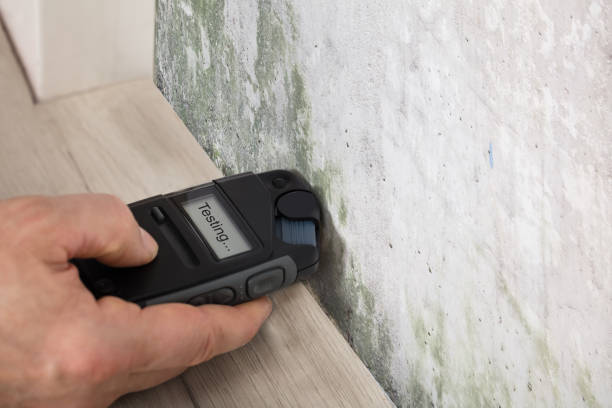
Expect extraction equipment, LGR dehumidifiers, air movers, moisture meters for concrete and wood, and a hygrometer to track humidity.
Basement Mold Solutions Available in Payson
Basement jobs combine cleanup with moisture control. These are the services involved.
Emergency Water Extraction and Drying
Standing water is extracted with truck-mounted or portable units, wet carpet and pad are pulled, and LGR dehumidifiers and air movers start drying the structure immediately. Fast drying is the best way to prevent growth after a flood.
Removing Wet Finished Walls
Damaged drywall is cut at a set height, usually two or four feet, so the cavity can dry, with wet insulation removed. This allows the wall framing to dry and be cleaned properly.
Structural Cleaning and Treatment
Studs, bottom plates, rim joists, and concrete walls are HEPA vacuumed, cleaned, and treated with an EPA-registered antimicrobial. Stained wood is sanded or wire-brushed where needed.
Stored Contents Assessment
Basements often hold years of stored items. Plastic bins and hard items can usually be cleaned, while cardboard boxes, upholstered furniture, and paper goods with growth are generally discarded. The contractor helps sort what is worth saving.
Dehumidifier and Humidity Control
A properly sized dehumidifier, ideally ducted or with a direct drain to the sump or floor drain, keeps relative humidity below about 50 percent year round. The contractor also checks for condensation on cold water lines and ducts.
Water Intrusion Recommendations
The contractor identifies where water is coming from, whether it is grading, gutters, foundation cracks, window wells, or a sump problem, and recommends the right fix or trade. Battery backup sump pumps are a common recommendation.
Our Rapid Dispatch Process for Basement Mold Remediation
Here is how a basement mold job typically unfolds, from first call to a dry, controlled space.
Call Our Dispatch Line
Call +1-844-692-0486 and tell us if there is standing water, how long it has been, and whether the basement is finished.
Rapid Mobile Arrival
A Payson contractor comes out, active floods first, with extraction and drying gear on the truck.
Expert Assessment and Quote
They take moisture readings on walls, floors, and framing, then write up removal, cleaning, drying, and humidity control with a price.
Verified Resolution
Damaged materials come out under containment, the structure is cleaned and dried, and humidity control goes in with a final check.
Real Basement Mold Remediation Calls and How They Played Out
These are the kinds of situations our dispatchers route every week, and how the independent contractors handled them.
A storm and a dead pump
A sump pump failed during an overnight storm, leaving three inches of water across a finished basement. The homeowner called the next morning. The contractor extracted the water, pulled the carpet and pad, and made two-foot flood cuts on all the walls.
Outcome: the basement was dry within four days with no growth, and a battery backup pump was installed.
A basement that smelled worse every July
A family's finished basement smelled musty every summer but looked fine. The contractor's moisture meter showed elevated readings along the bottom of the exterior walls, and removing the baseboard revealed growth on the drywall and bottom plate.
Outcome: the bottom section of drywall was removed, the plates were treated, and a drained dehumidifier now holds humidity at 45 percent.
Growth along the top of the foundation
A homeowner storing tools in an unfinished basement noticed white and black growth along the wooden rim joists. The contractor found condensation forming where warm, humid air hit the cold band joist.
Outcome: the joists were cleaned and treated, then sealed and insulated with spray foam to stop the condensation.
Common Questions About Basement Mold Remediation
Honest answers to the questions we hear most about this service.
How fast does mold grow in a flooded basement?
Mold can begin growing on wet drywall, carpet, and wood within 24 to 48 hours. That is why fast extraction and drying matter so much after a flood. If your basement has been wet for more than a couple of days, assume growth has started inside walls and under flooring.
Is the white powder on my basement wall mold?
It is often efflorescence, which is a mineral deposit, not mold. Efflorescence forms when water moves through concrete and leaves salts behind as it evaporates. It crumbles when touched and will dissolve in water. Mold is usually fuzzy and grows on organic materials like wood and drywall. Either way, it means moisture is coming through.
What humidity level should my basement be?
Keeping basement humidity in the 30 to 50 percent range is ideal. Above 60 percent, mold can grow on many materials. A simple digital hygrometer lets you check. If it stays high, a properly sized dehumidifier with a direct drain is usually the fix.
How much does basement mold remediation cost in Payson?
It depends on how much of the basement is affected, whether it is finished, and how much drying is needed. A small area might cost a few hundred to a couple thousand dollars, while a fully finished basement after a flood can cost much more. You get a written estimate before work begins.
Does homeowners insurance cover basement mold?
Coverage varies by policy and by what caused the water. Sudden events like a burst pipe are often covered, while flooding from outside water or long-term seepage is often excluded unless you have flood coverage or a sump backup endorsement. Document everything and call your insurer promptly.
Can I finish my basement again after mold remediation?
You can, as long as the water issue is solved first. Many contractors recommend moisture-resistant choices for the rebuild: rigid foam insulation against concrete, pressure-treated bottom plates, paperless drywall, and flooring that tolerates moisture. Refinishing over an unsolved moisture problem usually leads to a repeat.
Where We Connect You With Basement Mold Remediation Pros in Payson
Basement calls come in from across Payson, from older block foundations to newer poured concrete. Local contractors know which neighborhoods sit low and which tend to see water after heavy rain.
Call any time, day or night, especially if water is in the basement now. Nearby cities and zip codes we serve are listed below.
Call +1-844-692-0486
While you wait for help
- Turn off power to the basement if water is near outlets, only if safe.
- Move valuables off the floor.
- Do not use a household vacuum on standing water.
- Open the sump pit to check the pump if safe.
- Photograph the water level and damage.